Jordan Loewenstein, D.C. | La Jolla Chiropractor
Neck pain
chiropractor
in San Diego
Tech neck. Pinched nerves. Disc herniations. Whiplash. Cervicogenic headaches. Dr. Jordan Loewenstein treats the full spectrum of cervical spine conditions — finding the structural cause and fixing it, not just managing symptoms.
Yes, chiropractic care is an effective, evidence-based option for most neck pain, including tech neck, pinched nerves, and whiplash. Dr. Loewenstein first identifies whether the source is joint, disc, or muscle, then combines soft tissue work and adjustment. Many patients feel relief within a few visits, though disc-related cases take longer.
What does a chiropractor
do for neck pain?
Neck pain is one of the most common reasons people seek chiropractic care — and one of the conditions that responds best to it. Here’s what the research says and what to expect.
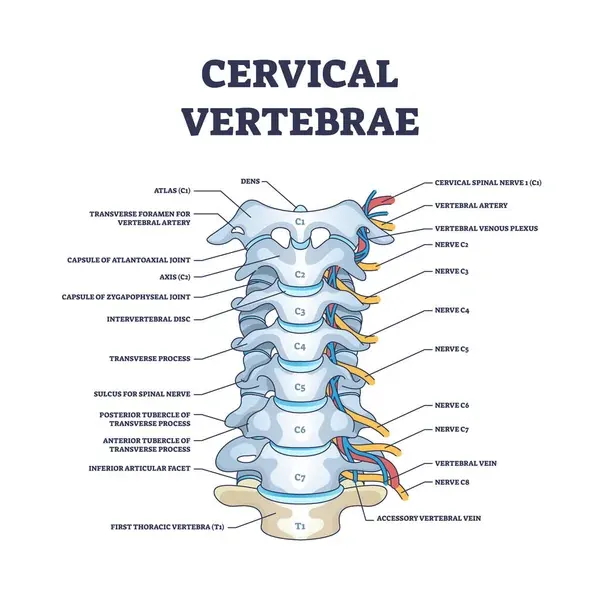
Why neck pain is an
epidemic in this zip code
San Diego’s neck pain problem has a specific geography — and it starts right here in the UTC corridor.
your neck pain?
7 causes of neck pain —
explained
Most neck pain has a specific structural cause. Understanding which one applies to you determines how treatment is structured and how quickly you recover.
Tech Neck
Tech neck develops when the head migrates forward of neutral alignment due to prolonged screen use. Every inch of anterior displacement adds approximately 10 additional pounds of compressive force to the cervical spine. A 2025 study in Scientific Reports confirmed forward head posture reduced rehabilitation success by 13% for every inch of displacement — making early structural correction critical.
Over time this compresses the anterior cervical joints, overstretches the posterior musculature including upper trapezius and levator scapulae, and creates chronic myofascial trigger points throughout the suboccipital region.
Cervical Disc
A cervical disc herniation occurs when the soft nucleus pulposus pushes through a tear in the annulus fibrosus and contacts an adjacent nerve root. C5–C6 and C6–C7 are most commonly affected, reflecting high mechanical load at the cervicothoracic junction. Studies demonstrate 90% of symptomatic cervical disc herniations improve with conservative care.
The herniated material itself often undergoes spontaneous resorption over 6–18 months; chiropractic care accelerates neurological recovery and restores function during this window without surgical risk.
Pinched Nerve
Cervical radiculopathy occurs when a nerve root is compressed or chemically irritated — most commonly from a herniated disc or foraminal stenosis. C6 compression (C5–C6 level) causes pain and tingling into the thumb and index finger; C7 affects the middle finger and triceps with grip weakness.
Prognosis with conservative treatment is excellent. Over 85% of cervical radiculopathy cases resolve without surgery. Accurate diagnosis — determining the specific nerve root affected — is essential for targeted decompression.
Cervicogenic
Headache
Cervicogenic headaches originate from dysfunction in the upper cervical spine — specifically C1, C2, and C3 joints — not from the brain. They are typically unilateral, begin at the skull base, and radiate toward the eye and temple, mimicking migraine. The clinical differentiator: CGH is provoked by neck movement or pressure at the suboccipital region.
A 2025 network meta-analysis in Frontiers in Neurology confirmed cervical spine manipulation as the most effective short-term intervention for cervicogenic headache, outperforming exercise therapy, trigger point injections, and medication.
Whiplash
Whiplash is a rapid acceleration-deceleration cervical injury injuring muscles, ligaments, facet joints, and discs simultaneously. Symptoms frequently do not emerge until 24–72 hours post-injury when initial adrenaline and inflammation suppression clears. This delay leads many people to dismiss real injuries that then become chronic.
Untreated whiplash is one of the primary drivers of chronic neck pain. Approximately 50% of untreated cases develop chronic pain syndromes. Early chiropractic intervention within 72 hours significantly reduces this risk and creates contemporaneous medical records critical for insurance claims.
Facet Joint
Dysfunction
Cervical facet joints are the paired synovial joints connecting adjacent vertebral arches. When inflamed or restricted — through injury, sustained poor posture, or degenerative changes — they produce deep, aching neck pain worsened by extension and rotation. Facet-mediated pain accounts for 54% of chronic neck pain cases.
Unlike radiculopathy, facet pain does not typically produce radiating arm symptoms. Spinal manipulation is specifically designed to restore motion to restricted facet joints, making chiropractic a highly targeted first-line treatment per 2024 clinical practice guidelines.
Trigger
Points
Myofascial trigger points are hyperirritable taut bands within muscle tissue producing both local tenderness and referred pain. In the cervical region, upper trapezius, levator scapulae, suboccipitals, scalenes, and SCM are primary sites. Upper trapezius trigger points refer to the lateral neck and temple; suboccipitals create band-around-head headache.
Without treating the underlying joint component that perpetuates muscle overactivation, trigger points recur. A combined joint-plus-soft-tissue approach produces more durable results than soft tissue treatment alone.
Choosing the right
provider for neck pain
Different providers take different approaches. Here’s an honest comparison — because the right choice depends on your specific condition and goals.
Your treatment
timeline
No open-ended care. Every patient receives a clear, phased plan at their first visit — with defined milestones and a reassessment built in at week four.
When neck pain needs
emergency care
Most neck pain is benign and mechanical. But certain symptoms are red flags requiring immediate medical evaluation — not chiropractic care. Every new patient is screened for these before any treatment.
Neck pain chiropractic
FAQs
The most common questions patients in UTC, La Jolla, Sorrento Valley, and Carmel Valley ask before their first visit for neck pain.
Neck pain arises from many sources. The most common include muscle strain from poor posture or prolonged screen use, joint dysfunction in the cervical facets, herniated or bulging discs pressing on nerve roots, and whiplash injuries from car accidents or sports. Sleeping in an awkward position, stress-driven muscle tension, and degenerative changes also cause or worsen neck pain. Because causes vary significantly, a proper examination is essential to identify the specific driver of your symptoms so treatment can be accurately targeted.
Tech neck — also called text neck or forward head posture — develops when you hold your head forward of your shoulders while looking at screens for extended periods. For every inch your head shifts forward, it adds approximately 10 additional pounds of stress to your cervical spine. If you work at a computer, spend significant time on your phone, or drive long distances, you are at elevated risk. Over time, tech neck compresses the cervical joints, overstretches the posterior neck muscles, and can lead to chronic pain, headaches, and even disc problems if not addressed.
Cervical radiculopathy occurs when a nerve root in the neck is compressed or irritated — most often from a herniated disc or bone spur. Symptoms include sharp or burning pain radiating from the neck into the shoulder, arm, or hand, along with tingling, numbness, and sometimes weakness. C6 compression produces symptoms into the thumb and index finger; C7 causes middle finger symptoms and tricep weakness. Over 85% of cervical radiculopathy cases resolve with conservative care, making chiropractic an appropriate first-line treatment before considering injections or surgery.
Cervicogenic headaches originate from dysfunction in the upper cervical spine (C1–C3) rather than from the brain itself. They are typically one-sided, start at the base of the skull, and radiate forward toward the eye or temple. Unlike migraines, they are provoked by neck movement, sustained postures, or pressure on specific points at the top of the neck — this reproducibility with palpation is the key clinical differentiator. A chiropractic examination identifies the cervical source and distinguishes this headache type from tension or migraine presentations.
If left untreated, whiplash injuries can progress to chronic neck pain, restricted range of motion, and persistent headaches due to scar tissue formation and ongoing joint dysfunction. Studies show approximately 50% of untreated whiplash injuries develop into chronic pain syndromes lasting longer than 6 months. Early chiropractic care within the first 72 hours significantly reduces this risk by restoring proper joint mechanics before compensation patterns and adhesions develop.
Yes — cervical chiropractic adjustments are considered safe when performed by a licensed chiropractor after a proper examination. Serious adverse events are extremely rare, estimated at fewer than 1 in 5.85 million cervical manipulations. Every new patient undergoes a thorough orthopedic and neurological examination, including screening for contraindications to cervical manipulation, before any treatment is performed. If your presentation warrants a gentler approach, that determination is made clinically at the first visit.
A medical doctor typically manages neck pain with pain medication, muscle relaxers, or anti-inflammatory injections — these reduce symptoms but do not address the underlying structural cause. A chiropractor performs a hands-on diagnosis to identify which specific joints, nerves, or soft tissues are driving the pain, then treats the root cause through spinal manipulation, soft tissue therapy, and home exercise. For most mechanical neck pain, chiropractic offers a more direct, targeted approach. Some cases benefit from co-management — this practice coordinates with your medical provider when appropriate.
For most patients, cervical chiropractic adjustments are comfortable and often immediately relieving. The adjustment involves a precise, controlled movement to a specific joint — you may hear a “pop” (gas releasing from the joint), which is normal and painless. Some patients feel mild muscle soreness for 12–24 hours after the first visit, similar to post-workout soreness. Patients with acute inflammation are treated with gentler mobilization techniques first. If anything feels uncomfortable during treatment, it is modified immediately.
This depends on the severity, chronicity, and type of condition. Acute muscle strain may resolve in 4–8 visits over 2–4 weeks. Chronic neck pain with a structural component — disc herniation, radiculopathy, or significant postural deformation — typically requires 12–20 visits over 6–12 weeks, with a formal reassessment at the 4-week mark. Open-ended care is not the approach here: at your first visit you receive a clear, phased treatment plan with defined goals and milestones.
Yes. Chiropractic care is one of the most effective non-surgical options for cervical radiculopathy. Spinal adjustments and traction decompress the affected nerve root, reducing pain, tingling, and arm weakness. Studies consistently show over 85% of cervical radiculopathy cases resolve with conservative care. Treatment begins with Spurling’s test and neurological examination to confirm which nerve root is involved, then applies level-specific decompression. If symptoms progress rather than improve, imaging and specialist referral are initiated promptly.
Yes — sleeping position is one of the most overlooked contributors to neck pain. Sleeping on your stomach forces extreme cervical rotation for hours at a time, straining facet joints and posterior muscles. Sleeping on your side without proper pillow support creates lateral flexion stress. The optimal position is on your back or side with a pillow that maintains cervical neutral alignment. Specific pillow height recommendations based on your shoulder width and body type are made at the first visit — this simple change eliminates a significant source of ongoing irritation for many patients.
X-ray is indicated for trauma with concern for fracture, chronic pain where degenerative changes may guide treatment, and any presentation with neurological signs. MRI is indicated for suspected disc herniation with radiculopathy that has not responded to 4–6 weeks of conservative care, red flag symptoms, or progressive neurological deficits. Most routine mechanical neck pain does not require imaging to begin treatment — but if imaging is clinically warranted, you will be referred for it before proceeding.
No referral is needed for most insurance plans. PPO plans including Aetna, Blue Shield, UnitedHealthcare, and Anthem do not require a referral for chiropractic. VA patients require an approved Community Care Network referral from their VA provider. Some HMO plans also require referral. Use the benefits check form and I'll verify your plan before your first visit.
Ideally within 24–72 hours, even if your pain feels mild. Whiplash injuries frequently have delayed symptom onset — adrenaline and initial inflammation suppression can mask pain for hours to days after the accident. The sooner you are evaluated, the better the documentation of injury (important for insurance claims) and the lower the risk of chronic pain developing. Same-day appointments are available for post-accident evaluations — call (858) 558-3111.
Monitor height should position the top of the screen at or slightly below eye level, keeping the cervical spine in neutral rather than flexed. Laptop users should use an external monitor or stand with a separate keyboard — working directly on a laptop creates inevitable cervical flexion. The 20-20-20 rule reduces static load: every 20 minutes, look 20 feet away for 20 seconds and do 3 cervical retractions (chin tuck). These adjustments are reviewed and customized at your first visit based on your specific work setup.

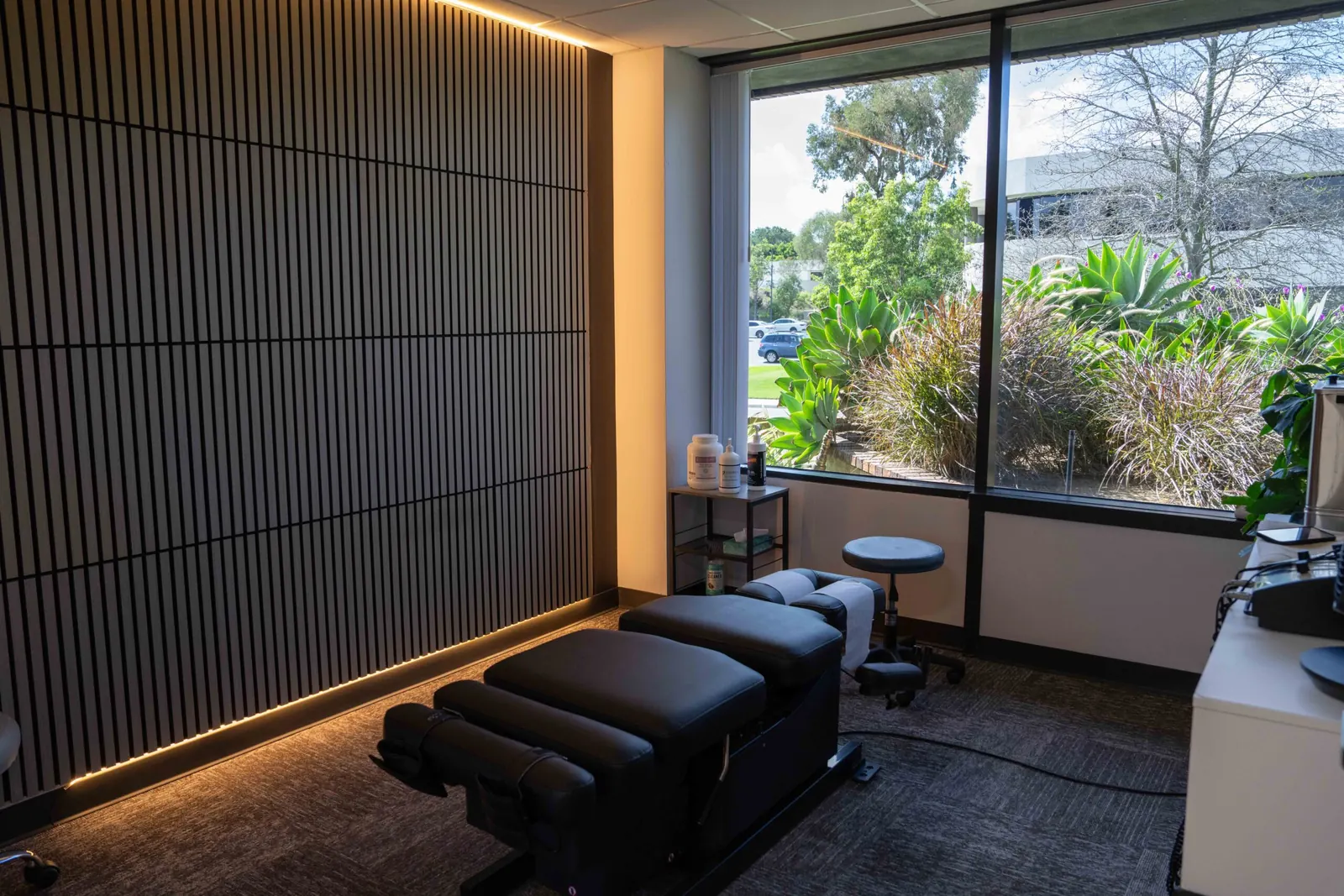

One doctor.
Every visit.
You will see Dr. Jordan Loewenstein at every appointment. Not an associate, not a rotating schedule of providers, not a five-minute pass-through. Forty-five minutes on your first visit, thirty on follow-ups — one-on-one, start to finish.
He holds a Master’s in Nutrition alongside his Doctorate of Chiropractic.

Ready to fix
your neck?
Same-day appointments available in UTC San Diego. Open Sundays 10am–4pm. Most major insurance plans accepted — Aetna, Blue Shield, UnitedHealthcare, Anthem, and more.