Jordan Loewenstein, D.C. | La Jolla Chiropractor
Elbow Pain
By Location
Pick the part of your elbow that hurts. You’ll get the conditions that live there, the clues that tell them apart, and the specific stretches and exercises for each one.
Where Does It
Actually Hurt?
Elbow pain is the easiest region on this whole site to narrow down, because there are really only three places it lives and each one has a signature. Outside means gripping and lifting palm-down. Inside means lifting palm-up, unless your little finger tingles, in which case it is a nerve. The back is usually a swollen bursa.
One thing worth knowing before you start. Elbow tendon pain does not get better with rest. Tennis and golfer’s elbow both respond to slow, progressive loading, and both are famous for dragging on for a year or more in people who simply avoid using the arm. Mild soreness during the exercises is expected and acceptable. That single shift in approach is most of the treatment.
Pick Your
Sore Spot
Pick the spot on your elbow that hurts. You’ll get the conditions that live there, the clues that tell them apart, and the stretches and exercises for each one.
The Outside of the Elbow
The outside of the elbow is home to the single most common elbow complaint there is, and most people who have it have never held a tennis racquet. The important nuance is height: tennis elbow sits right on the bony bump, and the nerve problem that mimics it sits two or three inches lower.
Narrow It Down
Point with one finger. On the bony bump, or two inches down in the muscle? Those are different problems.
- Gripping is the problem: a kettle, a coffee cup, a door handle, a mouse
- Lifting something with the palm facing down hurts, palm up is much easier
- Pressing the bony bump on the outside reproduces it
- Most people who get it have never played tennis. It is usually work, DIY or the gym
- 01Tennis & Golfer’s Elbow StretchesHold 30s · 3x each
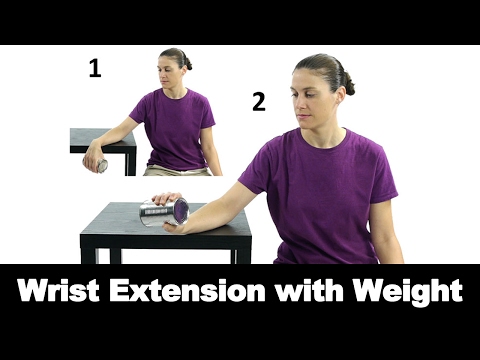
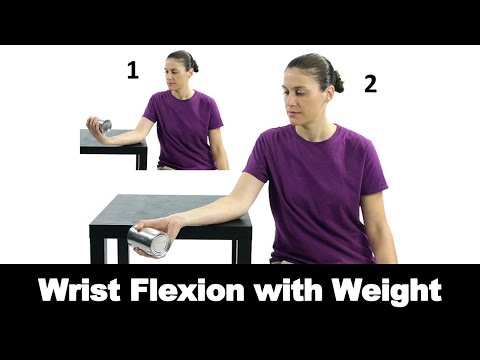
- 02Wrist Flexion & Extension2 sets of 10 each way
- 03Supination & Pronation2 sets of 12
- 01Reverse Wrist Curls3 sets of 15 · 3s lowering
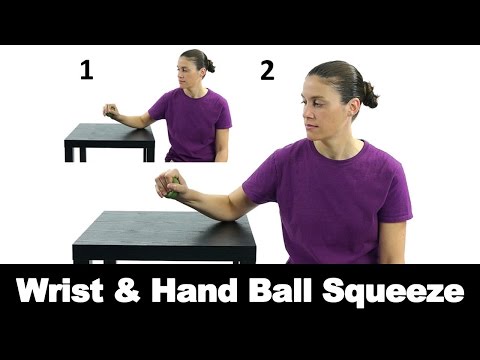
- 02Ball Squeeze3 sets of 15
- 03Weighted Rotation2 sets of 12
- 04Tennis Elbow Routine2 to 3x per week
- Load the tendon. Slow reverse wrist curls with a light weight are the treatment, and they will feel mildly sore, which is fine
- Lift things palm-up while it settles. It genuinely reduces the load
- Try a counterforce strap a couple of inches below the elbow for activity
- Rest and wait. Tendons do not heal with rest, and this one is famous for dragging on for a year when untreated
- Keep gripping hard through sharp pain
- Jump to a cortisone injection as the first step. Short-term relief, worse outcomes at a year
- The tender spot sits lower down the forearm than classic tennis elbow
- A deep, aching quality rather than a sharp tendon pain, sometimes worse at night
- Resisting turning the palm upward hurts
- Often diagnosed after tennis elbow treatment has failed to help
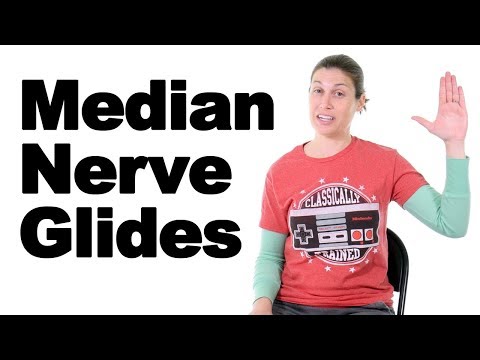
- 01Nerve Glide10 reps · 2 to 3x daily
- 02Tennis & Golfer’s Elbow StretchesHold 30s · 3x each
- 03Wrist Flexion & Extension2 sets of 10 each way
- 01Weighted Rotation2 sets of 12
- 02Ball Squeeze3 sets of 15
- 03Reverse Wrist Curls2 sets of 15 · light
- Get it reassessed if tennis elbow treatment has not moved the needle in a couple of months
- Use nerve glides rather than aggressive tendon loading
- Reduce repetitive forceful rotation at work
- Keep hammering eccentric tendon loading if it is making things worse
- Ignore weakness lifting the wrist or fingers
- Assume all outside-elbow pain is tennis elbow
- A deep ache with clicking, catching or locking
- Losing the last bit of straightening or bending, compared with the other arm
- Often a history of a fall, an old fracture, or years of throwing
- Worse with weight-bearing through the arm, like push-ups
- 01Wrist Flexion & Extension2 sets of 10 each way
- 02Supination & Pronation2 to 3 sets of 12
- 03Prayer StretchHold 30s · 3x
- 01Ball Squeeze3 sets of 15
- 02Reverse Wrist Curls2 sets of 15
- 03Wrist Curls2 sets of 15
- Get imaged if the elbow locks or you are losing range. Loose bodies are a real possibility
- Work the range you have daily so you do not lose more
- Keep the forearm strong within comfort
- Force the end range
- Do push-ups and weight-bearing on the hands while it is catching
- Ignore progressive loss of straightening. Elbows lose range easily and regain it slowly
The palm-down lift. Lift a full kettle or a milk jug with the palm facing down, then again palm up. Much worse palm-down is classic tennis elbow.
The height check. Press the bony bump, then press two to three inches down the forearm. Bump is tendon. Lower and deeper in the muscle raises the possibility of the radial nerve.
The chair test. Try lifting a chair with your arm straight and palm down. Sharp pain at the outer elbow is a very reliable sign of tennis elbow.
- Lift palm-up. A simple change that meaningfully reduces load on the tendon all day.
- Load it, do not rest it. Slow reverse wrist curls. Mild soreness during them is expected and acceptable.
- Try a counterforce strap. Worn a couple of inches below the elbow, not over the sore spot.
- Check your setup. Mouse position, racquet grip size, and how you carry bags all feed this.
- Plan on three months. Tennis elbow is slow, and it is one of the conditions where consistency clearly beats intensity.
Weakness lifting the wrist or fingers, numbness into the hand, or an elbow that locks or is losing range. Those are different problems from a tendon and need an exam.
The Inside of the Elbow
The inside of the elbow is simpler than the outside, but it has one important fork. If the little finger tingles, you are dealing with a nerve rather than a tendon, and the treatment is completely different. In throwers there is a third possibility that should not be pushed through.
Narrow It Down
One question splits this cleanly: does the little finger tingle?
- Gripping and lifting with the palm up is the problem, the opposite of tennis elbow
- Pressing the inner bony bump reproduces it exactly
- Bending the wrist down against resistance hurts
- No numbness or tingling in the little finger, which is the key separation from the nerve
- 01Wrist Flexor StretchHold 30s · 3x
- 02Tennis & Golfer’s Elbow StretchesHold 30s · 3x each
- 03Prayer StretchHold 30s · 3x
- 01Wrist Curls3 sets of 15 · 3s lowering
- 02Ball Squeeze3 sets of 15
- 03Weighted Rotation2 sets of 12
- 04Golfer’s Elbow Routine2 to 3x per week
- Load it with slow wrist curls, palm up. Same principle as tennis elbow, opposite muscle group
- Reduce heavy gripping and pulling for a few weeks, then rebuild
- Check technique in golf, climbing or pulling exercises
- Rest and hope. Same as tennis elbow, this one drags on without loading
- Do heavy chin-ups, deadlifts or golf swings through sharp pain
- Confuse it with the nerve. If the little finger tingles, it is a different problem
- Numbness or tingling in the little finger and half the ring finger
- Worse when the elbow is bent for a while: on the phone, driving, or sleeping
- Leaning on the elbow sets it off
- You may notice weakness gripping or spreading the fingers
- 01Nerve Glide10 reps · 2 to 3x daily
- 02Wrist Flexion & Extension2 sets of 10 each way
- 03Prayer StretchHold 20s · 2x
- 01Ball Squeeze3 sets of 15
- 02Wrist Curls2 sets of 15 · light
- 03Supination & Pronation2 sets of 12
- Stop sleeping with the elbow fully bent. A towel wrapped loosely around the elbow at night prevents it
- Stop leaning on your elbows, on desks and on car doors
- Get it assessed if there is any weakness or muscle wasting in the hand
- Hold a phone to your ear for long calls. Use a headset
- Stretch it hard. Nerves want gliding, not tension
- Wait it out if numbness is becoming constant. Nerve damage can become permanent
- You throw: baseball, javelin, or you play a lot of overhead racquet sport
- Pain in the acceleration phase of the throw, and a drop in velocity or control
- It may have started with a single pop, or built over a season
- Sometimes tingling in the little finger alongside it
- 01Wrist Flexor StretchHold 30s · 3x
- 02Supination & Pronation2 sets of 12
- 03Wrist Flexion & Extension2 sets of 10 each way
- 01Wrist Curls3 sets of 15
- 02Ball Squeeze3 sets of 15
- 03Weighted Rotation2 sets of 12
- Stop throwing and get it assessed. This one has real consequences if it is pushed through
- Build forearm flexor strength, which protects the ligament
- Look at throwing volume and mechanics, not just the elbow
- Keep pitching through it, especially in a young athlete
- Ignore a pop followed by loss of velocity
- Assume rest alone will fix it. It needs assessment and a structured return
The little finger test. Any numbness or tingling in the little finger and half the ring finger points to the ulnar nerve, not the tendon. That changes everything about how you treat it.
The palm-up lift. Lifting with the palm up, or bending the wrist down against resistance, reproducing inner elbow pain is classic golfer’s elbow.
The bent-elbow test. Hold the elbow fully bent for a minute. If that brings on tingling in the hand, that is the nerve in the cubital tunnel.
- Stop leaning on your elbows. Desks, car doors and armrests all compress the nerve.
- Do not sleep with the elbow bent. A towel wrapped loosely around it stops the elbow folding at night.
- Load palm-up. Wrist curls with the palm up are the golfer’s elbow exercise, and slow lowering is the point.
- Headset for long calls. Holding a phone up is one of the most reliable aggravators of the nerve.
- Throwers, stop throwing. Inner elbow pain in a thrower is not something to train through.
Constant numbness in the little finger, weakness gripping or spreading the fingers, or wasting of the muscle between the thumb and index finger. Also stop and get assessed for inner elbow pain in a throwing athlete.
The Back of the Elbow
The back of the elbow is mostly about two things: a bursa that swells up dramatically and is usually harmless, and the triceps tendon in people who press heavy. The one thing to take seriously here is a swollen elbow that is also red, hot and making you feel unwell.
Narrow It Down
Swelling here is common and usually benign. Redness, heat and feeling unwell is the exception, and it needs same-day care.
- An obvious squishy swelling on the tip of the elbow
- It may be surprisingly painless for its size
- Often follows leaning on the elbow a lot, or a knock
- Range of motion is usually normal
- 01Wrist Flexion & Extension2 sets of 10 each way
- 02Supination & Pronation2 sets of 12
- 01Ball Squeeze3 sets of 15
- 02Reverse Wrist Curls2 sets of 15
- 03Wrist Curls2 sets of 15
- Stop leaning on the elbow. That alone resolves many cases
- Use an elbow pad if your work involves resting on it
- Get it seen urgently if it is red, hot, and you feel unwell. An infected bursa needs antibiotics
- Try to drain it yourself
- Keep resting the elbow on hard surfaces
- Ignore redness and fever. Infection is the one version of this that is serious
- Straightening the elbow against resistance reproduces it
- Bench pressing, dips, overhead pressing and push-ups aggravate it
- Tender to press just above the tip of the elbow
- More common in lifters and throwers
- 01Wrist Flexion & Extension2 sets of 10 each way
- 02Prayer StretchHold 30s · 3x
- 03Supination & Pronation2 sets of 12
- 01Reverse Wrist Curls2 sets of 15
- 02Ball Squeeze3 sets of 15
- 03Weighted Rotation2 sets of 12
- Reduce pressing volume for two to three weeks, then rebuild gradually
- Load it with slow, controlled elbow extension work
- Warm up properly before pressing
- Do heavy dips or lockout work through pain
- Skip the rebuild once it stops hurting
- Ignore a pop during a heavy lift, which can mean a tear
- You cannot fully straighten the elbow compared with the other side
- Clicking, catching or occasional locking
- A history of a fracture, dislocation, or years of throwing or heavy lifting
- A hard end-feel rather than a stretchy one
- 01Wrist Flexion & Extension2 sets of 10 each way
- 02Supination & Pronation2 to 3 sets of 12
- 03Prayer StretchHold 30s · 3x
- 01Ball Squeeze3 sets of 15
- 02Wrist Curls2 sets of 15
- 03Reverse Wrist Curls2 sets of 15
- Work the range daily. Elbows lose motion very easily and regain it slowly
- Get imaged if it locks, which suggests a loose body
- Address it early. Long-standing elbow stiffness is genuinely hard to reverse
- Force it aggressively or have someone crank on it
- Wait months. This is the joint least forgiving of delay
- Assume lost range will return on its own
The swelling check. A soft, squishy, often painless lump on the tip of the elbow is a bursa. If it is red, hot and you feel unwell, treat that as an infection and get seen the same day.
Resisted straightening. Push the forearm down against resistance with the elbow bent. Pain just above the tip points at the triceps tendon.
The straightening comparison. Hold both arms out and straighten them fully. Any difference between sides matters, because the elbow is the joint most prone to permanently losing range.
- Get your elbows off the desk. It is the most common cause of the swelling, and the easiest thing to change.
- Compare both sides for range. Small losses of straightening are easy to miss and hard to get back.
- Deload the pressing. Dips and lockout work are the usual triceps aggravators.
- Red and hot means today. An infected bursa needs antibiotics, not patience.
- Do not have anyone crank a stiff elbow. Forced stretching of this joint tends to backfire.
A swollen elbow that is red, hot and painful, especially with fever or feeling generally unwell. That can be an infected bursa and needs same-day medical care. Also get seen for an elbow that locks or is losing range.
Stretches &
Exercises
Every movement referenced above, in one place, with a video demo. Nothing here should reproduce sharp pain. Work in the range that feels clean and let it expand week by week. Two rules govern all of it, and they are spelled out right after this section.
Stretches and mobility
Daily is fine. Ease into them, and never bounce.
 Watch demo
 Watch demo
 Watch demo
 Watch demo
 Watch demo
 Watch demo
Strengthening
Every other day. Start with a very light weight, or none at all, and take three full seconds on every lowering.
 Watch demo
 Watch demo
 Watch demo
 Watch demo
 Watch demo
 Watch demo
How To Know If
You’re Doing Too Much
These two rules apply to every program on this page, wherever your pain is. They are the same ones I give patients in the office, and they replace the guesswork about whether to push through something.
Some discomfort during these exercises is normal and even useful. Pain above about a 3 out of 10 is not. If an exercise pushes past that, reduce the range, the weight, or the number of reps.
You should be back to your normal baseline within 24 hours. If it is more sore the next morning, you did too much. Cut the volume roughly in half and build back from there.
Signs You Should
Skip the Exercises
Most elbow pain is a tendon problem that responds well to loading. These are the exceptions.
Elbow Pain
Questions
Location tells you. Tennis elbow is the bony bump on the outside and hurts when you lift with the palm facing down. Golfer's elbow is the bump on the inside and hurts when you lift palm up or bend the wrist down. Most people with tennis elbow have never played tennis, and most with golfer's elbow have never played golf. It is usually work, DIY or the gym.
Because the muscles that grip your hand actually attach at the elbow. Every time you squeeze something, you load the tendon at the bony bump. That is why a kettle, a coffee cup or a mouse can reproduce elbow pain even though the elbow itself is not moving. It also means grip strength work is part of the treatment, not separate from it.
No, and this is the most common mistake. Tendons do not heal with rest, they adapt to load. The treatment is slow, progressive loading, usually reverse wrist curls with a light weight and a three-second lowering. Mild soreness during the exercise is expected and acceptable. Untreated, tennis elbow can drag on for a year or more.
That is the ulnar nerve, and at the elbow it means cubital tunnel syndrome rather than golfer's elbow. It is worse with the elbow held bent, so long phone calls, driving and sleeping with the arm folded all aggravate it. Stop leaning on your elbows, avoid sleeping with the elbow fully bent, and get it assessed if there is any weakness or muscle wasting in the hand.
Usually not. Olecranon bursitis produces a dramatic-looking squishy swelling that is often surprisingly painless, and it typically follows leaning on the elbow or a knock. The exception that matters is infection: if it is red, hot, and you feel unwell or feverish, get seen the same day, because an infected bursa needs antibiotics.
It helps in the short term and tends to produce worse outcomes at one year than loading exercise or even doing nothing. That does not mean never, but it is not a first step. Progressive tendon loading is the treatment with the best long-term evidence, and an injection is better considered when that has genuinely been tried.
Around three months of consistent loading for both tennis and golfer's elbow, and sometimes longer if it has been present a while before treatment started. Progress is not linear. If you are three months in with no change at all, or there is numbness, weakness, or loss of range, that is the point to get examined.
Worth taking seriously. The elbow loses range very easily and regains it slowly, so any difference between sides is worth addressing early. Causes include an old injury, joint arthritis, or a loose body floating in the joint. If it also clicks or locks, get it imaged rather than waiting.
Yes. Elbow tendon problems are load problems, and the load often comes from the wrist, shoulder and neck rather than the elbow itself. Dr. Loewenstein assesses the whole arm, uses hands-on soft tissue work including Active Release Technique on the forearm, and builds the progressive loading program that actually resolves it. Treatment starts on the first visit at the UTC San Diego office.
Find Out What’s
Actually Going On
Narrowing it down by location gets you most of the way there. A hands-on exam gets you the rest of the way, and treatment starts on visit one.