Jordan Loewenstein, D.C. | La Jolla Chiropractor
One Leg Shorter
Than The Other
Been told you have a short leg? Here is what it means, whether it actually matters, and what to do about it. Short version: almost everyone has some difference, most of it is harmless, and the kind that is worth treating is usually not a bone problem at all.
What A Short Leg
Actually Means
There are two completely different things people call a short leg, and they need opposite treatment. One is a genuine difference in bone length. The other is two legs the same length, with a pelvis sitting crooked so one looks shorter. The second is far more common and it is the one that responds to treatment.
A real difference in bone length. The thigh bone or shin bone on one side is genuinely longer. Usually from a childhood growth plate injury, a fracture that healed short, hip surgery, or just how you grew.
No amount of treatment changes this — if it is large enough to matter, the answer is a lift in your shoe.
A pelvis sitting crooked. Both legs are the same length, but the pelvis is rotated or tipped to one side, so one leg presents shorter on the table. Tight hip muscles, an irritated joint, or years of standing on one leg will do it. This is the common version, and it is very treatable.
Here is the reassuring part. Around 90% of people have some measurable difference between their legs, and the average is about five millimetres — roughly the thickness of a few coins. It is closer to a normal human variation than a problem.
So being told you have a short leg is not, on its own, a diagnosis. The useful questions are how big it is, which of the two kinds it is, and whether it is causing you anything.
Does It
Actually Matter?
Under about a centimetre, usually not. Over a centimetre, it starts to show up in the research. That single number is the most useful thing on this page, because it separates the differences worth acting on from the ones almost everybody is walking around with.
Under 1cm. Your body absorbs it. The pelvis tilts a fraction, the spine adjusts, and most people never know. Studies looking for a link between small differences and pain have come back inconsistent, and plenty of people with a 5mm difference run marathons on it.
Over 1cm. Now there is a real signal. The largest study on this followed 3,026 adults and found a difference of a centimetre or more roughly doubled the odds of knee arthritis — and it was the shorter leg carrying it. Hip arthritis shows the same direction with less certain numbers.
Back pain sits in the middle. Some studies find a link, others do not, and it is still genuinely argued about. If your back pain is not responding to the things that normally help it, a difference over a centimetre is worth looking into. If it is responding fine, this is probably not your problem.
If you are going to put a lift in your shoe or build a program around a short leg, it is worth knowing the number is right. A quick look on a treatment table is a starting point, not a measurement. A tape measure gives you something more solid, and an X-ray settles it properly.
This matters because the two kinds need opposite things. Put a lift under a leg that only looks short because the pelvis is rotated and you have just built the crookedness into your shoe.
It changes. One practitioner says left, another says right, or it seems different visit to visit. Bone length does not change. Pelvic position does, constantly.
One side feels tight rather than short. A stubborn hip flexor, a hip that will not rotate as far one way, a low back that aches on one side only.
It came on. You did not have it at twenty and now you do. Bones stopped growing a long time ago — something else changed.
There is an obvious cause. You stand on one leg all day, carry a child on one hip, sleep curled the same way, or had an injury on one side you favoured for months.
Where Chiropractic
Helps
For the crooked-pelvis version — which is most of them — the answer is yes, and there is proper trial evidence behind it. For a genuine difference in bone length, no treatment changes the bone, and the answer is a shoe lift.
A randomised, placebo-controlled trial took patients with long-standing low back pain whose legs measured unevenly because of pelvic position. One group received hands-on soft tissue and muscle release work. The other got the same handling and positioning without the actual technique, so nobody knew which they were in.
The treated group improved on all four measures — pelvic alignment confirmed on X-ray, measured leg length, pain, and fatigue. The placebo group did not. That is a small study and it needs repeating, but randomised, placebo-controlled and X-ray-verified is about as solid as evidence gets in this area.
The practical version: if one leg looks short because the pelvis is rotated or the hip is tight, that is a soft tissue and joint problem, and it responds to soft tissue and joint treatment.
Unwind It,
Then Hold It
This program is for the crooked-pelvis version. Release the tight side, wake up the weak side, then load both evenly so it stays put. If your legs are genuinely different lengths, these are still worth doing for your hips — but the fix for that is a lift.
One rule runs through all of it: do more on the tight side. If your right hip is the stubborn one, do an extra set on the right in Tier 1 and an extra set on the left in Tier 2. Even work on an uneven body keeps it uneven.
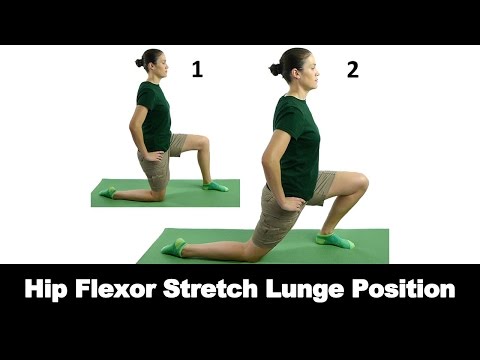
Daily, five minutes. Do these on the tight side twice for every once on the other.
 Watch demo
 Watch demo
 Watch demo
 Watch demo
Five days a week. The side that sits low is usually the weak one. Extra set on the weak side.
 Watch demo
 Watch demo
 Watch demo
 Watch demo
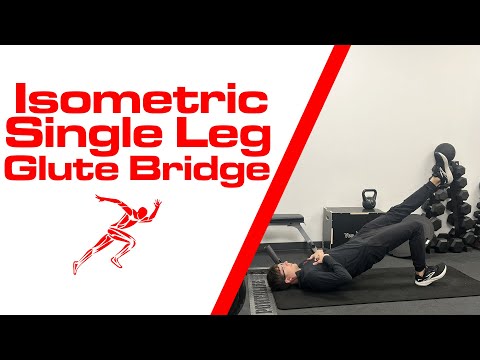
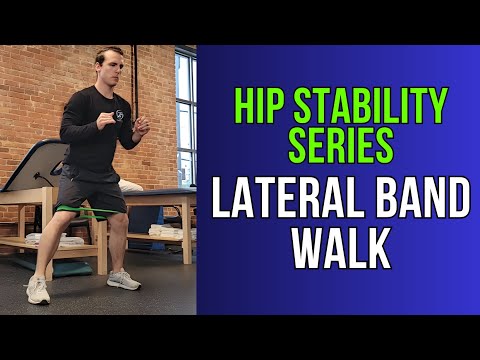
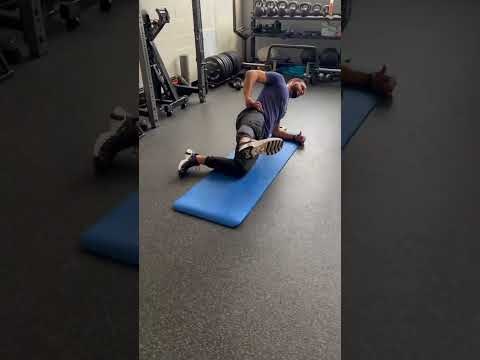
Three days a week. Single-leg work exposes the difference and then closes it. Always start the set on the weaker side and match that number on the strong side.
 Watch demo
 Watch demo
 Watch demo
 Watch demo
Twenty minutes, three times a week, plus five minutes of Tier 1 daily. Give it eight weeks before you judge it.
Do This,
Not That
Most uneven pelvises are built by the same small habits repeated a few thousand times. Changing them costs nothing and does more than any single exercise.
Short Leg
Questions
Almost all of it. Around 90% of people have a measurable difference and the average is about five millimetres. Under a centimetre is generally considered unremarkable and the body handles it without you noticing. Over a centimetre is where it starts to be worth paying attention to.
Sometimes, but far less often than people are led to believe. The research is genuinely mixed, and small differences have not been reliably linked to back pain at all.
If your back hurts and you have a five millimetre difference, that difference is probably not the reason. If you have a difference over a centimetre and your back pain is not responding to the usual things, then it is worth investigating properly.
If the legs are the same length and one only looks short because the pelvis is rotated or tight, then yes. A randomised, placebo-controlled trial found that hands-on soft tissue and muscle release work improved pelvic alignment on X-ray, evened out the measured leg length, and reduced pain, where a sham treatment did not.
If it is a genuine difference in bone length, nothing changes the bone and a shoe lift is the answer. Working out which one you have is the first thing to do.
Only for a confirmed difference in actual bone length, and generally only once it is around a centimetre or more. Trials of lifts in people with a real difference and back pain have shown solid improvements in pain over a year.
But a lift under a leg that only appears short because the pelvis is crooked will make things worse rather than better, and lifts are usually started at less than the full difference and built up. Get the number confirmed first.
A few clues point at the pelvis rather than the bone: different practitioners give you different answers, it seems to change between visits, one side feels tight rather than short, or it appeared in adulthood.
Bone length does not change after you stop growing, so anything that comes and goes is a position problem. An X-ray settles it definitively if it matters enough to know.
This is the one consequence with strong evidence behind it. A study of over three thousand adults found that a difference of a centimetre or more roughly doubled the odds of knee arthritis, and it was the shorter leg that carried it.
Hip arthritis showed a similar pattern with less certain numbers. Below a centimetre, no meaningful signal. It is a good reason to take a larger difference seriously and a good reason not to lose sleep over a small one.
The tight side usually loosens within a week or two and one-sided aching often settles in that time as well. Holding the pelvis level takes longer, because that is a strength change — give it about eight weeks.
If nothing has shifted by then, the assumption behind the program is probably wrong and it is worth being looked at in person.
If you are about to spend money on a lift or orthotics, if the difference seems larger than a centimetre, if you have one-sided hip or knee pain that keeps coming back, or if you were told you have a short leg and want to know whether it is real before building anything around it.
Also worth an exam if a child or teenager appears to have a noticeable difference, since that is a different situation with a growth clock attached.
Find Out If It Is Real
Before You Build Around It
Ten minutes tells you whether one leg is genuinely longer or whether the pelvis is just sitting crooked — and those two answers lead to completely different plans. If it is the pelvis, treatment and the program above usually sort it. Evening and Sunday appointments available.