Jordan Loewenstein, D.C. | La Jolla Chiropractor
Mid Back
Stretches &
Exercises
Clinician-recommended stretches and exercises to relieve mid back (thoracic) pain and desk-posture stiffness — restore motion, strengthen your posture, and learn the dos & don’ts that matter. From a San Diego practice that finds the cause first.
What Helps
Mid Back Pain
The best moves for mid back pain restore rotation and extension in the stiff thoracic spine and strengthen the muscles between the shoulder blades — cat-cow, thoracic rotation, and extension, plus rows and scapular work. Most mid back pain is postural and eases with movement. If pain wraps around the ribs, follows an injury, or comes with chest symptoms, get evaluated.
Mid back (thoracic) pain is usually a posture and mobility problem. Hours hunched over a desk or phone leave the mid back stiff and rounded, and the muscles between the shoulder blades stretched and weak.
A stiff thoracic spine doesn’t just ache on its own — it forces the neck and lower back to pick up the slack, which is why mid back stiffness often travels. The fix is to restore rotation and extension in the thoracic spine and strengthen the postural muscles that hold you upright.
These movements should feel like a relief, not a strain. Keep them gentle — if pain wraps sharply around the ribs, follows an injury, or comes with chest or breathing symptoms, ease off and read the safety section below. This page is a starting point, not a diagnosis.
Recommended
Stretches
Gentle mobility to restore rotation and extension in a stiff mid back, plus chest opening to undo the hunch. Move slowly and never force a twist. Tap any card to watch a demo.
 Watch demo
 Watch demo
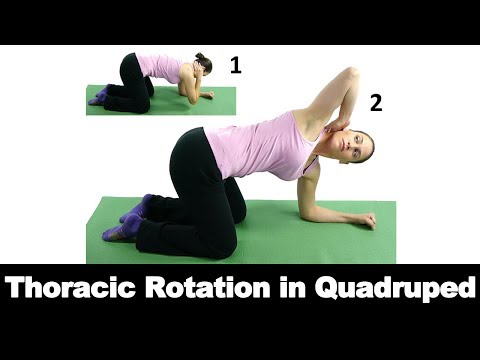 Watch demo
 Watch demo
 Watch demo
 Follow along
Recommended
Exercises
Strengthening the muscles between the shoulder blades is what holds your posture and keeps the stiffness from returning. Keep these controlled.
 Watch demo
 Watch demo
 Watch demo
 Watch demo
 Watch demo
 Watch demo
Dos &
Don’ts
The mid back loves movement and good posture. These habits help — and these keep it stiff.
How Chiropractic
Helps Mid Back Pain
The mid back responds especially well to hands-on care, and it ties directly into the neck and your posture. A proper exam connects them.
When to See
a Professional
Most mid back pain is mechanical and safe to treat with movement. But because the thoracic spine sits near the chest, some signs mean you should be evaluated. See a professional promptly if you have:
Questions About
Mid Back Pain
The questions patients ask most — answered directly.
Cat-cow, seated thoracic extension, and thoracic rotation are the most effective starting points because they restore the extension and rotation a stiff mid back loses to sitting. Pair them with chest-opening stretches and gentle movement through the day.
Sitting hunched over a screen keeps the thoracic spine rounded and the muscles between the shoulder blades stretched and weak. That combination leaves the mid back stiff and achy. Mobility work, chest stretches, and back strengthening address the cause.
Both. Stretching and mobility restore the motion in the stiff thoracic spine, while strengthening the postural muscles holds you upright so the stiffness doesn’t return. A combination, plus better desk habits, works best.
Most mid back pain is mechanical and harmless. But because the thoracic spine sits near the chest, pain that wraps around the ribs, comes with chest or breathing symptoms, or follows trauma should be evaluated to rule out other causes.
Most postural mid back pain improves within a couple of weeks with mobility, stretching, and posture changes. If it isn’t improving, keeps returning, or comes with concerning symptoms, an evaluation helps find the cause.
Yes. The mid back responds especially well to hands-on care. A chiropractor can restore thoracic motion, release the tight muscles, and guide the posture and strengthening that keeps it from returning. Dr. Loewenstein performs a thorough exam on the first visit at the UTC San Diego clinic.
Stand Tall,
Pain Free
These stretches are a great start. For a plan matched to what’s stiffening your mid back, book an exam — treatment starts on visit one.