Jordan Loewenstein, D.C. | La Jolla Chiropractor
Piriformis
Stretches &
Exercises
Clinician-recommended stretches to release a tight piriformis and calm the sciatic nerve beneath it — plus the hip exercises that keep it loose, the dos & don’ts that matter, and how chiropractic care helps. From a San Diego practice that finds the cause first.
What Helps
Piriformis Pain
The best moves for piriformis pain gently stretch the deep glute muscle and calm the sciatic nerve beneath it — the figure-4, pigeon, and knee-to-opposite-shoulder stretches, plus glute and hip strengthening. Most piriformis pain eases with stretching and movement. If you have leg weakness, numbness, or pain that followed an injury, get evaluated.
The piriformis is a small, deep muscle in the buttock that rotates the hip. The sciatic nerve runs right beneath it, so when the piriformis gets tight or irritated it can press on the nerve and create a deep ache in the glute that sometimes travels down the leg — a lot like sciatica.
Most piriformis pain is a tightness-and-weakness problem, often driven by long hours of sitting and weak hip muscles. The fix is to gently stretch the piriformis and calm the nerve, then strengthen the hips so the muscle isn’t overworking.
Move gently and watch your leg symptoms. Stretches should ease, not increase, any pain or tingling down the leg. If a movement sends symptoms further down, or you feel weakness, ease off and read the safety section below. This page is a starting point, not a diagnosis.
Recommended
Stretches
Gentle stretches to release the deep glute and calm the nerve beneath it. Ease in, breathe, and stop if symptoms travel further down the leg. Tap any card to watch a demo.
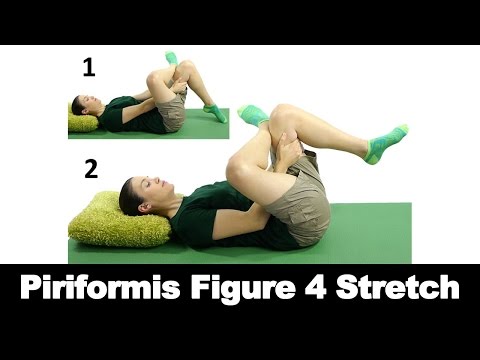 Watch demo
 Watch demo
 Watch demo
 Watch demo
 Watch demo
 Follow along
Recommended
Exercises
Strengthening the glutes and outer hip is what stops the piriformis overworking. Add these once the sharp pain has begun to settle.
 Watch demo
 Watch demo
 Watch demo
 Watch demo
 Watch demo
 Watch demo
Dos &
Don’ts
Piriformis pain calms with gentle stretching and stronger hips. These help — and these keep it fired up.
How Chiropractic
Helps Piriformis Pain
Deep glute pain can come from the piriformis, the SI joint, or the lower back. A proper exam tells which — so treatment actually lands.
When to See
a Professional
Most piriformis pain settles with gentle, active care. But some signs mean you should be evaluated rather than stretch through it. See a professional promptly if you have:
Questions About
Piriformis Pain
The questions patients ask most — answered directly.
The figure-4 stretch is the most effective starting point, with the knee-to-opposite-shoulder stretch and pigeon as great additions. They target the deep glute muscle directly. Stretch gently and stop if a movement increases pain or tingling down the leg.
They feel similar because the piriformis sits right over the sciatic nerve. Piriformis pain is centered in the deep glute and is often triggered by sitting, while true sciatica usually starts in the lower back from a disc. A proper exam tells them apart.
Gentle stretching and movement are usually better than rest. Easy glute stretches, nerve glides, and walking help calm the muscle and nerve. Avoid prolonged sitting and any stretch that pushes pain down the leg.
Usually it’s prolonged sitting plus weak hip muscles. When the glutes are weak, the piriformis overworks and stays irritated. Strengthening the hips and breaking up sitting is what keeps it from coming back.
Most piriformis pain settles within 4 to 6 weeks of consistent stretching, nerve glides, and hip strengthening. If it isn’t improving, gets worse, or you notice numbness or weakness, an evaluation helps confirm the cause.
Yes. A chiropractor can confirm the piriformis is the source, release it with soft-tissue work, mobilize the hip and lower back, and guide nerve glides and hip strengthening. Dr. Loewenstein performs a thorough orthopedic and neurological exam on the first visit at the UTC San Diego clinic.
Release That
Deep Ache
These stretches are a great start. For a plan matched to what’s irritating your piriformis and nerve, book an exam — treatment starts on visit one.