Jordan Loewenstein, D.C. | La Jolla Chiropractor
Tight Hip
Flexor Stretches
& Exercises
Clinician-recommended stretches to loosen tight hip flexors from too much sitting — plus the glute exercises that keep them loose, the dos & don’ts that matter, and how chiropractic care helps. From a San Diego practice that finds the cause first.
What Helps
Tight Hip Flexors
The best way to loosen tight hip flexors is to stretch the front of the hip and strengthen the glutes behind it — kneeling hip flexor stretches, figure-4, and pigeon, paired with glute bridges and hip extension. Tight hip flexors are usually a sitting problem, so breaking up sitting matters as much as stretching. If you have sharp groin pain or pain with walking, get evaluated.
Here because you think tight hip flexors are tilting your pelvis? That link is much weaker than it is usually made out to be — stretching moves pelvic tilt by about a degree, and one trial found no change at all. The pelvis question, the self-checks and the loaded strength work all live on a separate page: Anterior Pelvic Tilt: What Actually Helps. This page is for the tight feeling itself.
Tight hip flexors are mostly a modern, seated-lifestyle problem. Sitting for hours holds the hip flexors (mainly the psoas and iliacus) in a shortened position, and over time they adapt to that length and start to feel tight and achy.
Stretching the front of the hip helps — but the lasting fix is also waking up the glutes. When the glutes are weak, the hip flexors stay switched on to compensate, which keeps them tight no matter how much you stretch.
So this page does both: stretches to open the front of the hip, and exercises to fire up the glutes behind it. Move gently — if you feel pinching in the front of the hip or groin pain, ease off and read the safety section below. This page is a starting point, not a diagnosis.
Recommended
Stretches
Gentle stretches to open the front of the hip after long hours of sitting. Tuck the pelvis, breathe, and never force into a pinch. Tap any card to watch a demo.
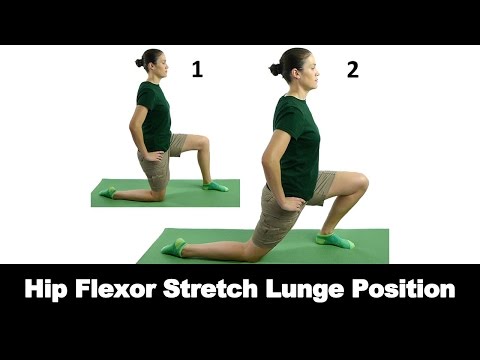 Watch demo
 Watch demo
 Watch demo
 Watch demo
 Watch demo
 Follow along
Recommended
Exercises
Strengthening the glutes is what keeps the hip flexors from tightening back up. Build these in alongside the stretches for lasting change.
 Watch demo
 Watch demo
 Watch demo
 Watch demo
 Watch demo
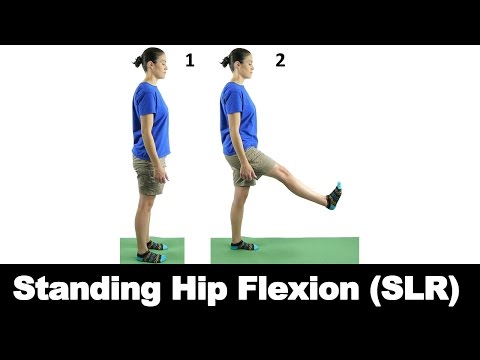 Watch demo
Dos &
Don’ts
Loosening tight hip flexors is as much about glutes and sitting habits as it is about stretching. These help — and these hold you back.
How Chiropractic
Helps Tight Hips
Tight hip flexors usually come with a sleepy posterior chain and a stiff lower back. A proper exam connects the dots so the fix actually lasts.
When to See
a Professional
Most hip flexor tightness is harmless and responds to stretching and strengthening. But some signs mean you should be evaluated. See a professional promptly if you have:
Questions About
Tight Hip Flexors
The questions patients ask most — answered directly.
The half-kneeling hip flexor stretch is the most effective starting point because it isolates the psoas and iliacus while you tuck the pelvis. Pair it with the figure-4 and pigeon to address the glutes and rotators. Stretch gently and avoid arching your low back.
Usually it’s a combination of prolonged sitting and weak glutes. Sitting keeps the hip flexors short, and when the glutes are underactive the hip flexors stay switched on to compensate. That’s why strengthening the glutes is as important as stretching.
Both. Stretching opens the front of the hip in the short term, but strengthening the glutes is what keeps it from tightening back up. The lasting fix is the combination, along with breaking up long periods of sitting.
Yes, they can contribute. Chronically tight hip flexors pull on the pelvis and lower spine and are commonly linked to low back pain. Loosening the hips and strengthening the glutes and core often eases the back as well.
With daily stretching, glute strengthening, and less sitting, many people notice improvement over a few weeks. Long-standing tightness takes longer. If stretching causes pinching or groin pain, get it evaluated.
Yes. A chiropractor can assess the hips, pelvis, and lower back together, use hands-on care to restore motion and release the psoas, and guide the glute strengthening that keeps the hips loose. Dr. Loewenstein performs a thorough exam on the first visit at the UTC San Diego clinic.
Loosen Up
for Good
These stretches are a great start. For a plan that addresses why your hips stay tight, book an exam — treatment starts on visit one.