Jordan Loewenstein, D.C. | La Jolla Chiropractor
How to Avoid Back Pain While Traveling: A Chiropractor’s Guide
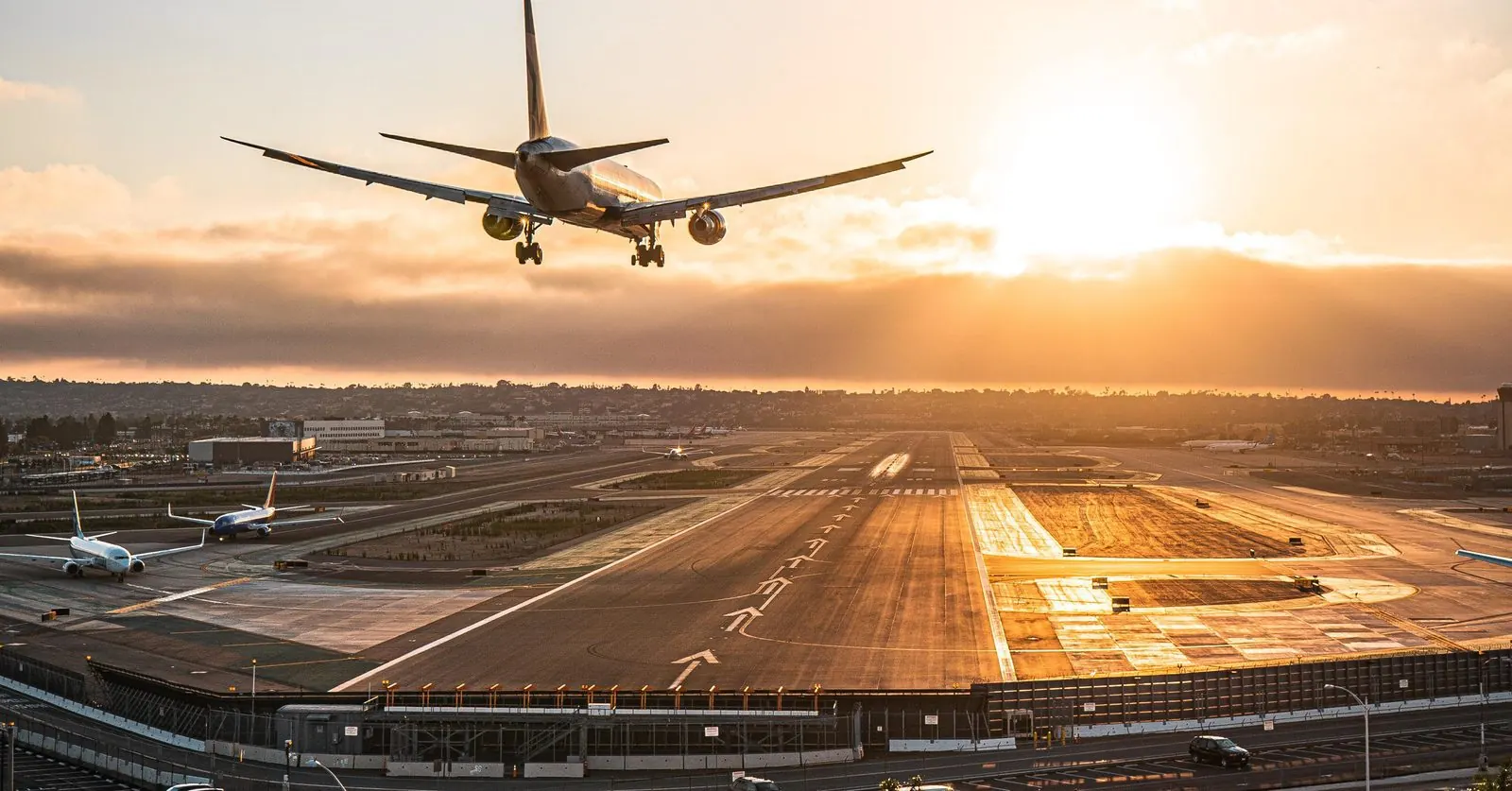
Quick answer: most travel back pain is preventable. Sitting still is the real enemy, so the fix is simple and boring: support your low back, get up and move every 45 to 60 minutes, lift luggage close to your body, and spend 5 minutes on a few targeted stretches before and after each travel day. Here’s exactly how to do it, with video demos for every move.
Why travel flares up your back in the first place
A plane seat or a car seat holds your spine in flexion for hours. That position roughly doubles the pressure inside your lumbar discs compared to standing, and your hip flexors shorten the whole time. Add vibration on the road, dehydration in a pressurized cabin, a mattress your body has never met, and a 40-pound suitcase you yank off a carousel with a twist… and it makes sense that so many patients walk into my UTC clinic the week after a trip.
If you already deal with low back pain, travel doesn’t create a new problem. It amplifies the one you have. The good news: the countermeasures below work for both prevention and damage control.
Before you leave: 5 minutes of prep
Think of this as pre-loading. A back that’s mobile and warmed up tolerates a travel day far better than one that goes straight from bed to a car seat to a plane seat.
- Cat-Cow – 10 slow cycles to wake up the whole spine.
- Kneeling Hip Flexor Stretch – 30 seconds per side. Your hip flexors are about to spend hours shortened; give them length first.
- Glute Bridge – 10 to 15 reps so your glutes, and not your low back, do the luggage work.
At the airport: free movement time
Here’s the mindset shift: you’re about to sit for hours, so gate time is movement time. Don’t spend it in a chair staring at your phone.
- Walk the terminal. Once you know your gate, keep moving. Skip the moving walkway; that’s the only exercise equipment the airport offers.
- Stand while you wait to board. You’ll sit plenty soon enough. If your bag is checked, board late and skip the standing-in-line-with-luggage part entirely.
- Sneak in a stretch at the gate. A standing version of the hip flexor stretch (back foot planted, gentle lunge, squeeze the glute), a few Chin Tucks, and 5 gentle standing back bends with hands on hips. Nobody looks twice at an airport; everyone is busy with their phones.
- Carry smart. Backpack on both shoulders or a spinner you push, never a heavy duffel slung on one side. An uneven load makes one side of your low back do double duty for an hour.
- Use layovers to reset. On a connection, walk first, then sit. Ten minutes of terminal walking between flights undoes a surprising amount of the first leg.
On the plane
Support the curve. Airline seats push your low back into a C-shape. Roll up a sweater or jacket and tuck it between the seat and the small of your back. A rolled towel works just as well as a $60 lumbar pillow.
Book the aisle if you can. Nobody gets up every 45 minutes when they have to climb over two strangers. The aisle seat removes the social barrier to standing, and standing is the single best thing you can do for your discs mid-flight. Walk to the back, stand for a minute, come back.
Move in your seat between walks. Two moves you can do without anyone noticing: seated Pelvic Tilts (gently rock your pelvis forward and back, 10 reps every half hour) and Chin Tucks to undo the head-forward slump that feeds neck and upper back tension. If your neck is usually the complainer, the full neck routine is here.
Drink the water. Cabin air is dry, and dehydrated discs handle compression worse. Skip the second coffee, take the water every time the cart passes.
A few more in-flight tricks. Once you’re at cruising altitude, recline a notch; around 100 to 110 degrees puts less pressure on your discs than sitting bolt upright. Put a small bag under your feet so your knees ride level with your hips. Time your aisle walks to bathroom trips so you never feel like the weird stretching person. On flights over three hours, compression socks help your circulation, and setting a silent timer every 45 minutes keeps you honest about actually getting up.
Road trips
Cars are sneakier than planes because you can’t stand up. Set your seat back to roughly 100 to 110 degrees instead of bolt upright, keep your wallet or phone out of your back pocket, and plan a stop every hour, even 3 minutes helps. At each stop do a Standing Hip Extension or the hip flexor stretch against the car door, then walk a lap around the car. Driving down the I-5 to see family counts as a road trip; your back doesn’t distinguish vacation from Thanksgiving.
Neck pain counts too
Backs get the attention, but necks take just as much abuse on a travel day. You spend hours looking down at a phone or a tray table, then fall asleep with your head tipped sideways against a window, then sleep on a hotel pillow that’s either a brick or a marshmallow. That combination is why so many people land with a stiff neck and a headache that started at the base of the skull.
- Bring a real neck pillow and wear it right. A U-shaped pillow works best rotated so the thick part sits under your chin, not behind your neck. That stops the head-drop that wakes you up with a crick.
- Raise your screen. Hold your phone or tablet up toward eye level instead of resting it in your lap. Every inch your head drops forward multiplies the load your neck muscles carry.
- Do Chin Tucks every hour. Ten slow reps, sitting upright. This is the single best in-seat move for a travel-stiff neck.
- Loosen the shoulders with an Upper Trapezius Stretch. 30 seconds per side, easy to do in a seat or at the gate.
- Open the chest afterward. A Doorway Pec Stretch in your hotel room reverses the rounded-forward posture a long flight builds.
- Hotel pillow trick. Side sleeper: you want enough pillow to fill the gap between your ear and shoulder. Back sleeper: less pillow, with support under the curve of your neck. Grab a spare from the closet and build the height you need.
If your neck is the part that always complains after a trip, the full neck stretches and exercises routine is worth ten minutes, and the neck pain treatment page explains what’s usually driving it.
Luggage: where most trips actually go wrong
The most common travel injury I see isn’t from sitting. It’s the bend-and-twist: grabbing a heavy bag out of a trunk or off a carousel with straight legs and a rotated spine. The rules are simple. Get the bag close to your body before it leaves the ground. Bend your knees, brace like someone’s about to poke your stomach, and turn your feet instead of twisting your spine. Use spinner wheels, pack two lighter bags instead of one heavy one, and lift your carry-on to the overhead bin in two steps (seat first, then bin), not one heroic swing.
The 5-minute hotel room reset
Do this the evening you arrive and each morning of the trip. All you need is floor space.
- Cat-Cow – 10 slow cycles.
- Knee-to-Chest – 30 seconds per side.
- Figure-4 Glute Stretch – 30 seconds per side, great after a day of sitting.
- Child’s Pose – 45 seconds of decompression.
- Seated Thoracic Extension over a chair back – 8 to 10 reps to undo airplane slump.
Want the full versions with reps, form cues, and what to avoid? The complete low back routine, hip flexor routine, and the whole stretches and exercises library are free on this site, each with video demonstrations.
If your back flares up anyway
Don’t panic, and don’t put yourself on bed rest. Gentle walking usually beats lying still. Ease into Knee-to-Chest and Cat-Cow, use the hotel ice machine for 15-minute sessions the first day or two, and let symptoms guide you: soreness that eases with movement is usually safe to work through. Pain shooting down a leg, numbness in the groin, new weakness, or loss of bladder or bowel control is different. Those need prompt medical attention, not stretching.
And if a trip leaves your back angry for more than a few days after you’re home, that’s usually a sign the underlying mechanics were already struggling before the trip exposed them. That’s exactly what a thorough exam is for. You can read what a first visit looks like here, or book online. Same-week appointments are usually available at the UTC office, and most major insurance is accepted.
Travel and back pain FAQs
Why does my back hurt more when I travel?
Prolonged sitting raises the pressure inside your lumbar discs, your hip flexors shorten, and your core switches off. Stack on dehydration, luggage lifting, and unfamiliar beds, and travel becomes a perfect storm for a back that was already borderline. The pain usually comes from the sitting and lifting pattern, not from travel itself.
What’s the best way to sit on a long flight with back pain?
Hips all the way back in the seat, a rolled sweater or small pillow supporting the natural curve of your low back, feet flat or on a bag so your knees sit level with your hips. Then break up the sitting: stand or walk the aisle every 45 to 60 minutes. Position helps, but movement is what your discs actually want.
Do lumbar pillows for planes actually work?
Yes, in the sense that supporting your lumbar curve reduces disc pressure and muscle guarding. But you don’t need to buy anything. A rolled-up jacket or hotel towel does the same job as a purpose-made travel pillow. What matters is that your low back keeps its gentle inward curve instead of collapsing into a C.
Should I check my bag or carry on if I have back pain?
Check it. Wrestling a heavy carry-on into an overhead bin is one of the highest-risk moments of the whole trip for your spine. If you must carry on, lift in two stages: bag to the seat, reset your grip close to your body, then up to the bin. Ask for help without shame; it’s cheaper than six weeks of treatment.
What should I do if my back goes out while I’m traveling?
Keep moving gently. Short frequent walks, ice from the hotel ice machine for the first day or two, and easy movements like Knee-to-Chest and Cat-Cow as symptoms allow. Avoid prolonged bed rest. Seek urgent care if pain shoots below the knee, you notice numbness in the groin, new leg weakness, or any change in bladder or bowel control.
Can a chiropractor help after a long trip?
Usually, yes. Travel flare-ups typically involve stiff joints, irritated discs, and guarded muscles, all of which respond well to the combination of soft tissue work, adjustment, and targeted exercise. If pain persists more than a few days after you’re home, an exam can identify what the trip exposed and fix the mechanics behind it.
How do I avoid neck pain on a long flight?
Use a U-shaped travel pillow rotated so the thick part supports your chin, hold your phone closer to eye level instead of looking down into your lap, and do about ten chin tucks every hour. An upper trapezius stretch at the gate and a doorway pec stretch once you reach the hotel help reverse the rounded-forward posture a flight builds.
Still Hurting? Let’s Find Out Why.
Dr. Loewenstein diagnoses the actual source of your pain before treating it — soft tissue work, adjustment, and rehab in one visit. Most major insurance accepted, no packages or contracts.